Storm season
Getting your windows and doors ready before storm season
Do the useful work in late summer, while it's calm: replace cracked panes, fix loose sash and patio doors that don't lock, redo split caulking, and decide where plywood would go. When a big storm is forecast, bring in anything that could fly and lock everything tight. Tape won't stop glass breaking. Afterwards: safety, then photos, then a temporary cover.
Why Halifax plans for post-tropical storms
Juan in 2003, Dorian in 2019 and Fiona in 2022 all reached Nova Scotia in September, and most people in HRM remember at least one of them.
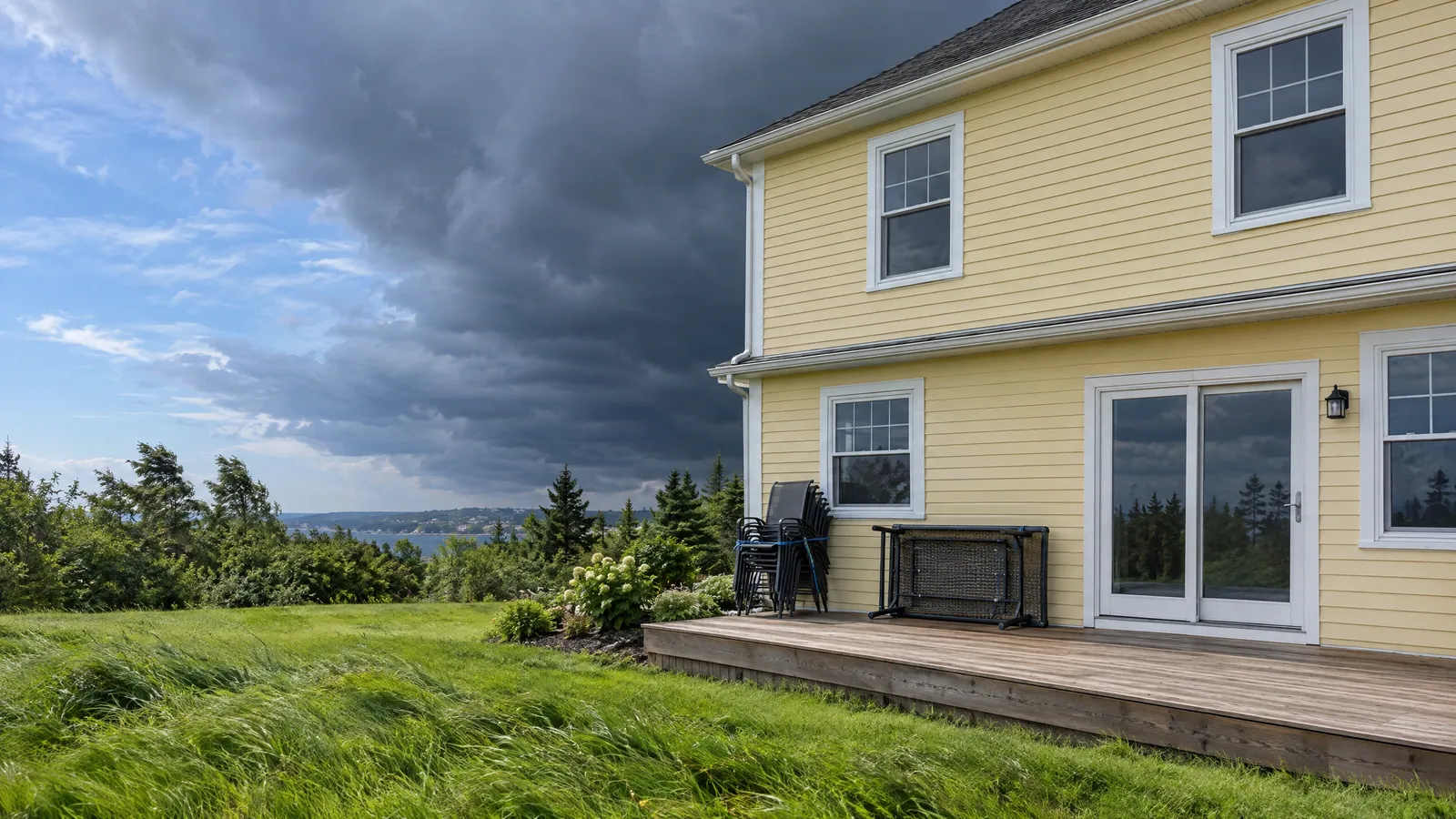
The ordinary weather here is windy and wet enough to be hard on seals, sills and sliding-door tracks, so a big storm tends to find whatever was already loose: a cracked pane, a sash that doesn't lock tight, a chair left on the deck.
So this guide isn't about armouring the house. It's an afternoon with a notebook in August, a few repairs, and a plan for the night before. We connect you with an independent local glass professional for any of the repairs; the pro quotes the job and does the work, and we make sure the request gets answered.
Late-summer inspection: glass, seals, sills and caulking
Pick a dry day and walk around the outside first, then the inside. Look for:
- Cracked or chipped glass, even a small crack in a corner. A weakened pane is the one most likely to give way.
- Split caulking where the trim meets the siding or shingles. That gap is how wind-driven rain gets behind the trim.
- Soft sills and loose trim, especially on the sides that take the weather.
- Glazing putty on older wood sash that has cracked or fallen away, leaving the glass loosely held.
- Weatherstripping that's flattened, torn or missing.
- Screens that are torn or loose in their frames. In a storm they're better stored than flapping.
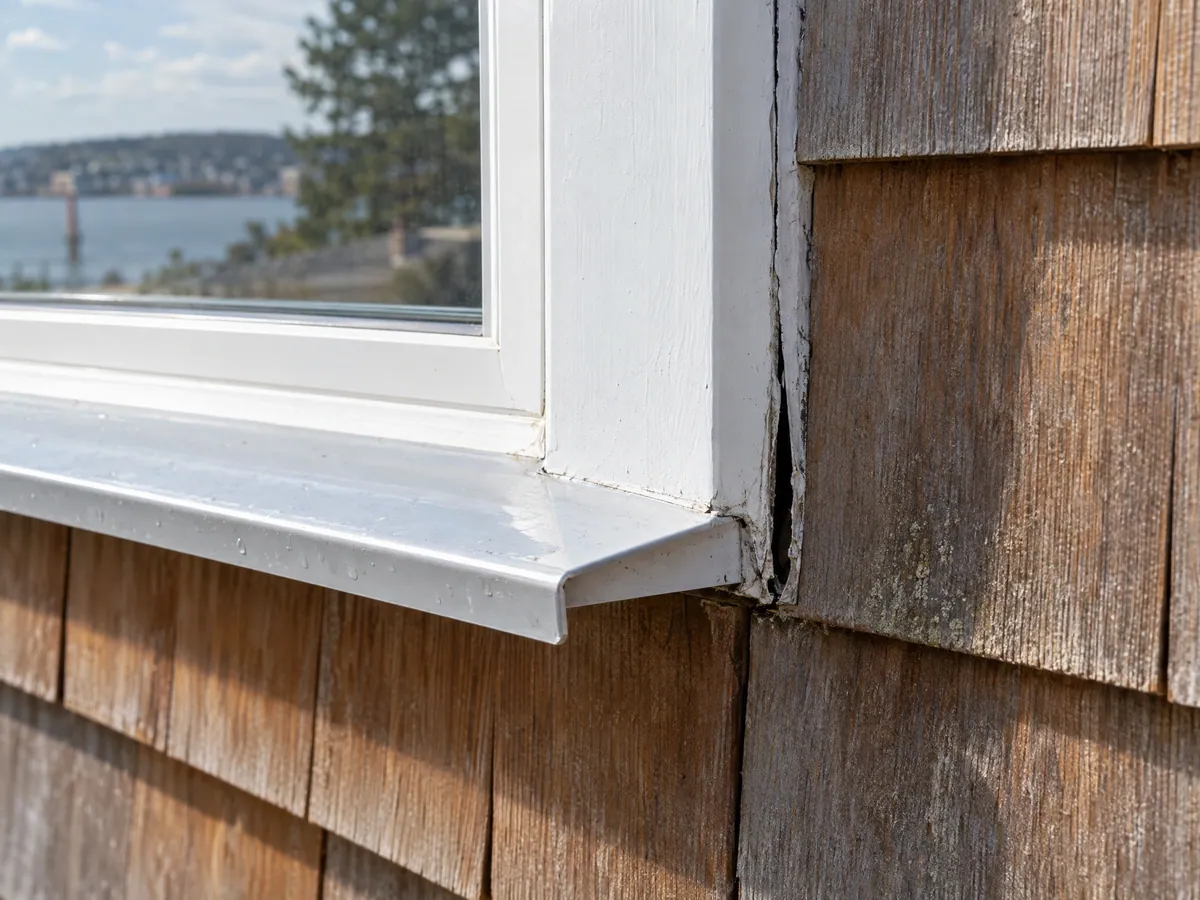
Photograph every window and door while you're at it. If a storm does damage later, 'before' photos make an insurance claim simpler to explain.
Fix before the forecast: cracked panes, loose sash and sliding door locks
Anything on that list is easier to arrange on a quiet August afternoon than with a storm on the forecast, when everyone calls at once.
- Cracked panes: replace them now. Glass is cut or ordered to size, so allow for a wait. Broken window glass covers the options.
- Loose sash and worn locks: a window that doesn't lock tight can rattle and let rain in. Usually a hardware job.
- Sliding patio doors: a door that won't latch, or rides loose in its track, is a common way in for wind-driven rain. New rollers or a new lock usually sorts it.
- Caulking and putty: simple materials, fiddly work, often at height. Worth doing properly.
If you rent, give your landlord the list in writing now, with the photos. It's their building and usually their call, and August is a better time to ask than the night before. In a condo, check which windows and doors are yours to fix and which belong to the corporation before booking anything.
Protecting openings: plywood, shutters and film
Tape: skip it. An X of tape on the glass doesn't stop it breaking. It just leaves residue to scrape off afterwards.
Plywood: the traditional answer for the openings that matter most, like a big picture window or a glass door that faces the water or the prevailing wind. It only helps if it's cut to size, labelled, stored with its fasteners and tried on once before the season. Nobody enjoys measuring plywood in a gale.
Shutters: permanent storm shutters save the plywood routine on an exposed house. On a heritage property, ask HRM before adding anything to the facade.
Window film: security film keeps a broken pane more or less in one sheet, which can keep shards out of the room. It doesn't make a pane strong enough to stop a flying branch. Window film explains the types.
Impact-rated windows: largely a product for the hurricane coasts of the southern US. Here, windows in good repair do more for less.
Doors: storm doors, patio doors and bracing
Doors are bigger than windows, and they open.
- Storm doors: check the closer and the wind chain, the short chain that stops a gust from flinging the door past its hinges. A storm door that blows wide open once can bend its frame for good. Storm doors covers closers, chains and glass.
- Patio doors: lock them, and use the security bar or pin if there is one. Clear the track and the little drainage slots along the sill so rain can run out rather than in.
- Entry doors: make sure the deadbolt throws fully and the weatherstripping seals all round.
- Bracing: for a large glass door facing the weather, plywood fastened over the outside is the practical option when a big storm is forecast.
Around the yard: patio furniture and glass tabletops
When Dorian was on its way, Nova Scotia's emergency officials asked people to secure anything that could become a projectile. That's most of this section. Before a storm:
- Bring in or strap down chairs, umbrellas, planters and barbecue covers.
- Take the glass top off the patio table and store it flat indoors, or bring the whole table in. A glass top is something that breaks and something that breaks other things.
- On a condo balcony, bring everything inside. Anything that leaves an upper-floor balcony has a long way to go.
- Put away ladders, tools and bins, and note any branches hanging over the house.
If a tabletop does break, glass tabletops and shelves covers replacements cut to size.
After the storm: safety, photos and getting in the queue
The order matters.
- Make it safe. Keep everyone, pets included, out of the room with the broken glass, pull on shoes and gloves before going back in, and stay well clear of downed power lines.
- Photograph it before cleaning up: the glass, the frame, the room and whatever did the damage. Your insurer will want them.
- Cover it. Plywood or heavy plastic over the opening keeps the rain out tonight. Emergency glass and board-up explains what can usually happen straight away and what waits for glass made to measure.
- Replace it properly. After a big storm, many houses need glass at once and custom units take time to order. Get your request in early and expect the temporary cover to stay up for a while. Storm-damaged window glass covers insurance and the full repair.
A word on storm-chasers. After a big storm, people turn up at doors offering quick repairs. In Nova Scotia, door-to-door sellers must be licensed, and one-time contracts signed that way come with a cooling-off period; the province's direct seller page sets out your rights. Get a written quote, don't pay the whole amount up front, and don't sign on the doorstep because the offer is only good today.
Printable checklist
In August
- Walk the house outside and in; photograph every window and door
- Replace cracked panes
- Redo split caulking and loose putty
- Fix sash locks, patio-door locks and rollers, storm-door closers and wind chains
- Decide which openings would get plywood; cut it, label it, store it with the fasteners
- Renters: send the landlord your list
When a big storm is forecast
- Bring in or tie down furniture, umbrellas and planters; take glass tops indoors
- Close and lock every window and door, patio door included
- Put up plywood on the exposed openings
- Charge phones; set out a flashlight, gloves, heavy plastic and duct tape (for the plastic, not the glass)
After it passes
- Safety first, then photos, then a temporary cover
- Call your insurer, then request the repair
The other window guides for HRM homes cover the repair-or-replace question and heritage district rules.
Frequently asked questions
Should I tape my windows before a hurricane?
No. Tape doesn't stop glass breaking and doesn't hold a broken pane in any useful way. What helps is replacing cracked glass beforehand, locking every window so the sash sits tight, and covering the most exposed large openings with plywood when a big storm is forecast. Save the tape for holding plastic over a broken opening afterwards.
Is plywood worth it for Halifax homes?
For some openings on some houses. Big picture windows and glass doors that face the water or the prevailing wind are where it earns its keep, especially on exposed lots. It's only worth having if it's cut to size, labelled and stored with its fasteners before the season. For sheltered windows in good repair, keeping them maintained and locked may be enough.
Should I get permanent storm shutters or stick with plywood?
Shutters make sense for an exposed house where you'd otherwise put plywood up every time a big storm is forecast. Fixed shutters are ready when you need them and don't need a ladder in the wind. They add cost and change how the house looks, so weigh them against how often you'd close them. On a heritage property, ask HRM before adding anything to the facade.
Are hurricane impact windows worth it here?
Rarely. Impact-rated glass is largely made for the hurricane coasts of the southern US. In HRM, the practical protection is windows in good repair with the sash locked tight, plus plywood or shutters on the most exposed openings when a big storm is forecast. If you're replacing windows anyway, ask the pro which glass options suit an exposed site.
What should I do the night a storm breaks a window?
Clear the room of people and pets, and pull on shoes and gloves. Take photos for the insurer before sweeping anything up. Then close the gap with plywood or heavy plastic so the rain stays out. The glass itself usually waits for a piece made to measure. Emergency glass and board-up explains what can happen tonight and what comes later.
Does window film stop glass breaking in a storm?
No. Security film holds the pieces together when glass breaks, which can keep shards out of the room, but it doesn't make the pane strong enough to stop flying debris. It suits glass where shattering inward is the worry. For storm protection, plywood or shutters over the opening do more. Window film explains the types.