Heritage homes
Windows and doors in Halifax's heritage conservation districts
If your property is in the Barrington Street, Old South Suburb or Schmidtville heritage conservation district, changing windows, doors or a storefront needs a Certificate of Appropriateness from HRM. Like-for-like repair usually doesn't. Registered heritage properties have their own rules. Either way, talk to HRM heritage staff before you order anything, and look at repairing the wood sash first.
Is your home in a heritage conservation district or on the heritage register?
These are two different things, and they're easy to mix up.
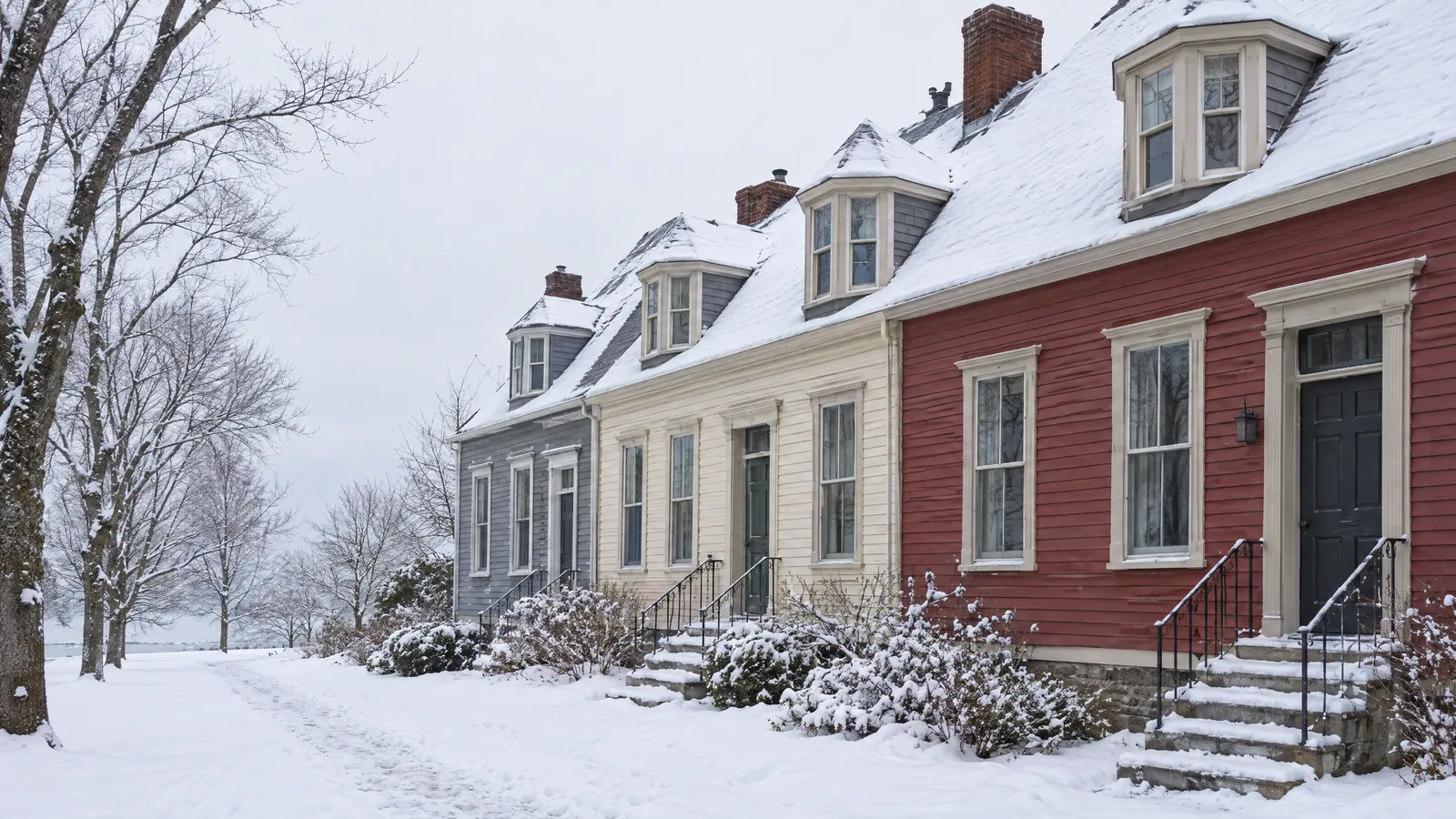
- A heritage conservation district (HCD) covers a whole area. HRM has three in force: Barrington Street, the Old South Suburb and Schmidtville. Properties inside a district's boundary are covered by its by-law.
- A registered heritage property is an individual building on HRM's heritage register, and it can be anywhere in the municipality.
A house can be one, both or neither. Age alone, or a South End address, puts it on neither list. The quickest way to be sure is to ask HRM heritage staff, whose contact details are on the city's maintaining and altering heritage properties page. That page is also the source for the rules below, and it's the version to trust if anything here falls out of date.
We're a referral service, not a heritage consultant. When you want windows looked at, we'll put you in touch with an independent local glass professional who knows older wood windows; that pro assesses, quotes and does the work.
Barrington Street, Old South Suburb and Schmidtville: what each by-law covers
Each district has its own by-law, and each one lists windows and doors among the exterior changes that need a Certificate of Appropriateness.
| District | By-law | Exterior changes it names |
|---|---|---|
| Barrington Street | H-500 | The facade, including storefronts, upper facades, windows, doors and exterior paint colour |
| Old South Suburb | H-800 | Additions, facades, roofs, windows, doors and storefronts |
| Schmidtville | H-700 | Doors, facades, storefronts, trim and windows |
Barrington Street is the old downtown commercial street, so shopfronts come up there more than anywhere; storefront glass covers that side of things. Schmidtville, the first private subdivision in Halifax, is mostly wood houses. Its conservation plan describes windows that are higher than wide, with over-and-under sashes, and five-sided Scottish dormers. The Old South Suburb by-law names roofs as well. All three sit on the peninsula; see Downtown Halifax, Schmidtville and the Old South Suburb for the area.
Repair vs alteration: when you need a Certificate of Appropriateness
The line HRM draws is about materials and design. Most basic maintenance and repair doesn't need a Certificate of Appropriateness, provided the materials and design stay substantially the same. Changing them does.
Usually repair (still worth confirming with staff):
- reglazing a wood sash with new putty, and repainting in the existing colour
- replacing broken glass in an existing sash or door
- new weatherstripping, sash cords or hardware of the same kind
- splicing matching wood into a rotten sill or rail
Usually alteration:
- swapping wood windows for vinyl or aluminum
- changing the size or shape of an opening, or the pattern of panes
- a new door style, or a redesigned storefront
Storm windows sit in between. They protect an old sash and cut drafts, but an exterior storm changes what the facade looks like, so ask staff before adding them in a district.
Treat these lists as a starting point for the conversation, not a ruling. Wood window repair covers what sash restoration involves, and door glass covers new glass in an existing door.
Registered heritage properties: substantial vs non-substantial alterations
On a registered heritage property, anywhere in HRM, the question is whether the work affects the building's character-defining elements, the features that make it historically significant. Original windows and doors are often among them.
- A substantial alteration is any action that affects or alters those elements. It needs an application reviewed by the Heritage Advisory Committee and Regional Council.
- A non-substantial alteration covers most maintenance and repair, provided the materials and design stay substantially the same. Staff approve these at the permit stage.
HRM assesses the work against the national Standards and Guidelines for the Conservation of Historic Places in Canada, which it adopted by by-law. In practice, repairing an original sash is a conversation with staff. Replacing it with something different can become a conversation with Council.
What historic windows look like here
Older houses on the peninsula are often wood-framed, and so are their windows. Schmidtville's plan describes historic windows and dormers made of wood, generally double- or single-hung, which means sash that slide up and down. Things to look for:
- Tall sash windows, higher than wide, with an upper and a lower sash.
- Five-sided dormers, often called Scottish dormers, with small sash windows on the front and the angled sides.
- Old glass with a slight ripple or the odd bubble, set between moulded wood muntins.
- Original trim and sills, which Schmidtville's by-law names alongside the windows.
If your house has a bay, the same thinking applies to each window in it.
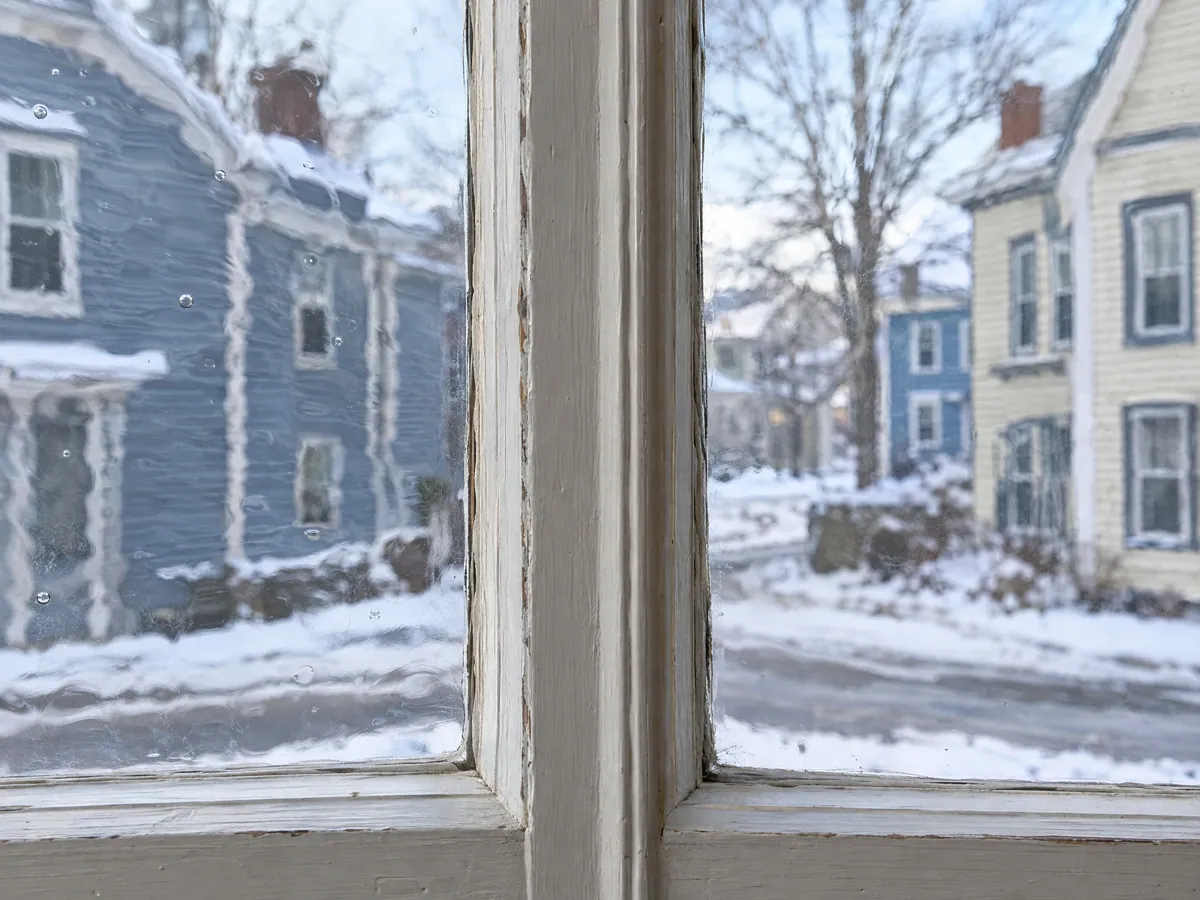
Those details are what a heritage review looks at, which is why restoring the original is usually the simplest conversation to have. Where a sash really is past saving, new wood sash and wood windows are still made, including to match an old profile, and that's an easier conversation than vinyl.
Grants: current status and what they exclude
Two HRM programs have helped heritage owners with window work. Neither is taking applications right now.
- Heritage Incentives Program. Matching grants for exterior conservation of municipally registered heritage properties. Work using modern materials, such as vinyl or aluminum windows and steel doors, isn't eligible. Applicants needed two contractor estimates, and condo buildings needed board minutes. The 2026 intake closed in June, and HRM expects a new Heritage Grant Program to open in 2027.
- Financial Incentives Program for Schmidtville and the Old South Suburb. A five-year program for the two districts. It has concluded, and no new applications are accepted.
If you're planning a restoration you hope to fund, the useful things to do now are to get the work scoped, collect two estimates for repair or like-for-like replacement, and watch the heritage incentives page for the new program. Amounts and rules may change when it opens, so we don't repeat them here.
One more thing: Efficiency Nova Scotia's window rebate is for full ENERGY STAR replacements, so restoring a sash doesn't qualify for that either. The repair or replace guide sets out the whole rebate picture.
Proposed new districts: Dartmouth and the peninsula
Under the Housing Accelerator Fund, HRM is studying eight areas for new or expanded heritage conservation districts. None is established yet, so none currently requires a Certificate of Appropriateness.
| In force now | Proposed study areas (not yet in force) |
|---|---|
| Barrington Street | Flower Streets, Dartmouth (new) |
| Old South Suburb | Ropeworks, Dartmouth (new) |
| Schmidtville | Jubilee Road (new) |
| Young-Woodill (new) | |
| Downtown Dartmouth (expanded) | |
| Five Corners, Dartmouth (expanded) | |
| Oakland Road (expanded) | |
| Creighton's Field (expanded) |
In a study area with original windows you're thinking of replacing? Check where the study stands before you order. Other district names turn up in the news from time to time; HRM's heritage conservation districts page is the place to confirm which are actually in force.
The Hydrostone is a separate case. Rebuilt in the North End after 1917, it's a National Historic Site designated through Parks Canada, not one of HRM's heritage conservation districts. North End and the Hydrostone covers the area.
Step by step: talking to HRM heritage staff before you order
- Confirm the status. Ask heritage staff whether the property is in a district, on the register, both or neither.
- Photograph what's there. Every window and door on the sides you plan to touch, plus close-ups of the sash, muntins, glass and trim.
- Get the windows assessed. A pro who works on old wood sash can say what's repairable and put it in writing. That's useful to staff and to any future grant application.
- Describe the work plainly. Like-for-like repair, or something different? Same material, same design? The answer decides which path you're on.
- Get the approval, then order. Ordering windows before a Certificate of Appropriateness or heritage approval is granted is an expensive way to find out they weren't allowed.
- Keep the paperwork with the house records. The next owner will want it.
In a condo building, the board is part of this too: changes to common elements need an owners' vote under the Condominium Act.
When you're ready, send photos for an assessment. We send them on to a local pro who knows old sash, and we check back so nothing sits.
Frequently asked questions
Does like-for-like window repair need a Certificate of Appropriateness?
Usually not. In the three districts, most basic maintenance and repair is exempt as long as the materials and design stay substantially the same: reglazing, new putty, a matching wood splice, broken glass replaced in the same sash. Changing the material or design is what triggers the certificate. Registered heritage properties follow their own process, so confirm with HRM heritage staff first.
Will HRM approve vinyl windows in a heritage district?
Swapping wood for vinyl changes the material, so in a district it's an alteration that needs a Certificate of Appropriateness, and approval isn't a given. HRM's heritage grants also exclude vinyl and aluminum windows. If your wood sash is sound enough to restore, that's usually the easier route; wood window repair explains what's involved.
Do HRM's district rules apply in the Hydrostone?
Not as a district. The Hydrostone is a National Historic Site, a federal designation through Parks Canada, and it isn't one of HRM's three heritage conservation districts, so the district Certificate of Appropriateness rules don't cover it. An individual house could still be on HRM's heritage register, so check with heritage staff before changing original windows. North End and the Hydrostone has more on the area.
What if my street is in one of the proposed study areas?
For now, nothing changes. Downtown Dartmouth, the Flower Streets and the other study areas in Dartmouth and on the peninsula are proposals, not districts, so no Certificate of Appropriateness is needed there today. If you're planning to replace original windows in one of those areas, check HRM's district page for where the study stands.
How do I find out whether my house is inside a district boundary?
Ask HRM heritage staff, or check the district by-laws, which define the boundaries. Age alone, or a South End address, doesn't put a house in a district. It could separately be a registered heritage property, which is a different list with its own rules. HRM heritage staff can confirm either for your address, and it's worth asking before you get quotes.
Are there grants for restoring heritage windows?
Not open right now. HRM's Heritage Incentives Program, for registered heritage properties, closed its 2026 intake in June, and a new Heritage Grant Program is expected to open in 2027. It has excluded vinyl and aluminum windows. The separate program for Schmidtville and the Old South Suburb has ended. Watch the heritage incentives page for the new program's rules.